
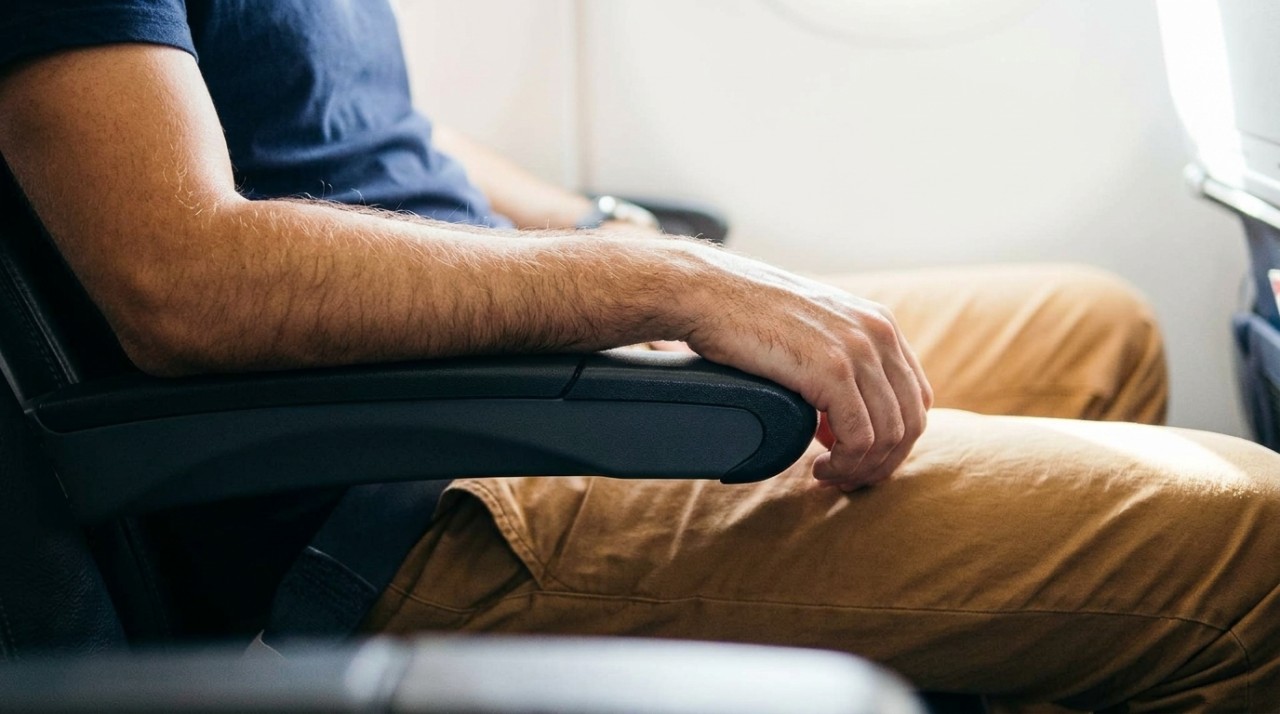
Only 11% of Americans Think the Middle Seat Gets Both Armrests
Every so often, a survey appears that raises the question of who thought to study the subject in the first place. An article published by The Points Guy on August 24, 2026, is a good example. The subject? Who gets the armrests on an airplane. It’s remarkable how much debate can surround a few inches of space between two seats.
A YouGov survey commissioned by The Points Guy found that only 11% of Americans believe the middle-seat passenger automatically deserves both armrests. Another 31% think everyone should share them equally, while 20% believe the person in the middle should get priority. An additional 26% aren’t sure what the proper etiquette should be.
The subject deserves a closer look, especially with Thanksgiving travel approaching. We have a fairly clear opinion about airplane armrests, although most Americans apparently see the matter differently.
How Did YouGov Arrive at the 11% Figure?
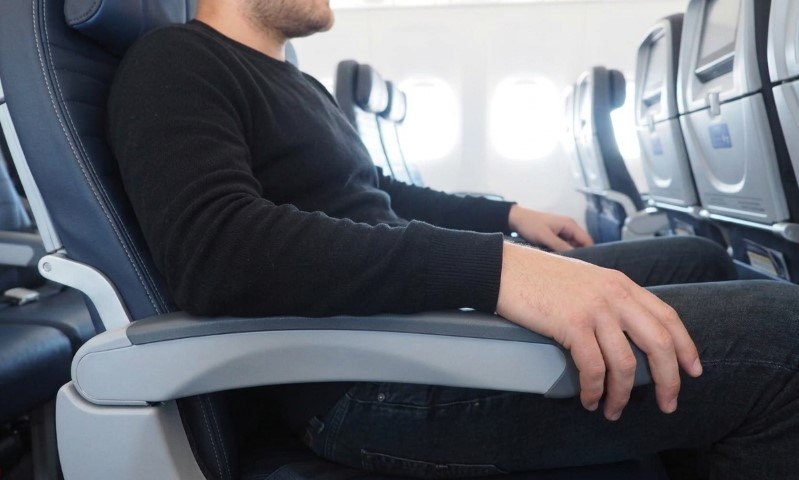
YouGov conducted the survey between July 29 and 31, 2026, among a nationally representative sample of more than 2,500 U.S. adults. The Points Guy commissioned the research to examine how Americans feel about common etiquette disputes during air travel.
Participants answered questions about specific situations inside an aircraft cabin. One concerned the armrests between economy-class seats and who should have priority over them.
The results are particularly interesting because travel etiquette advice has long treated both middle armrests as a courtesy reserved for the passenger stuck between two strangers.
If we combine the 11% who favor giving both armrests to the middle passenger with the 20% who favor middle-seat priority, 31% of respondents support some special consideration for that passenger.
The distinction matters. One group believes the middle passenger should have exclusive use of both armrests. The other prefers shared access, with priority given to the person in the middle.
It’s especially surprising that more than a quarter of respondents had no opinion. Apparently, a subject that has fueled countless debates among frequent travelers has barely registered with plenty of Americans.
There’s also an important limitation to the research. YouGov asked adults what they believe is appropriate. Researchers didn’t observe how passengers actually behave during flights. The results therefore provide no basis for assuming that the remaining 89% would refuse to surrender an armrest.
What’s the Fair Way to Share Armrests?
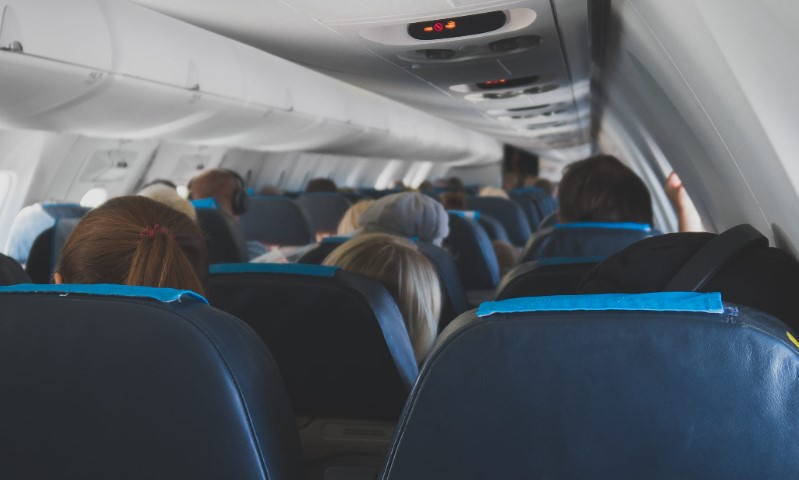
If you have the window seat, consider giving the inside armrest to the person beside you. The same courtesy makes sense from the aisle seat.
The window passenger has the side of the cabin to lean against. The aisle passenger has easier access to get up. The person in the middle has someone on either side and considerably less room to adjust their position.
Travel expert Jess Bohorquez made a similar argument in a CBS News article published in November 2023. She explained that the window and aisle seats have advantages that make it reasonable to offer both shared armrests to the middle passenger.
We agree. It’s a small concession that can make a cramped seat more comfortable.
Of course, airline armrests generally aren’t assigned to individual passengers through formal rules. Good manners depend on people voluntarily making reasonable accommodations.
There are better ways to spend a four-hour flight than competing with a stranger for a place to rest an elbow.
What Else Did the Survey Reveal About Airplane Etiquette?
View this post on Instagram
Armrests were only one part of YouGov’s research. The survey also examined several other situations that regularly cause frustration during flights.
Noise was the biggest annoyance for 27% of respondents. Loud conversations and passengers who play videos or music without headphones topped the complaints. Another 21% were most bothered by people who recline their seats too far or do so without warning.
Interestingly, 40% of Americans support a ban on phone and video calls during flights, compared with 33% who oppose such a ban.
The result about noise makes perfect sense. Few things sound less appealing than several hours of someone else’s videos, especially when the person responsible has a perfectly good pair of headphones in their bag.
Americans have a somewhat clearer opinion about seat recline. A majority of 51% believe it’s acceptable if you first check the space behind you. Another 21% think passengers can recline whenever they want after takeoff, while 10% believe it’s never appropriate.
Look behind you first. The person might have a laptop open or a drink on the tray table. A brief warning can prevent a rather unpleasant encounter.
The survey also addressed seat swaps. Overall, 44% believe it’s acceptable to ask another passenger to trade seats, while 34% consider the request rude.
The first group has a reasonable point. There’s nothing unreasonable about a polite request, particularly when a parent wants to sit beside a child. The other passenger has every right to decline, especially if they paid extra for their chosen seat.
The strongest agreement concerned how passengers should exit the aircraft. Nearly two-thirds of Americans, 65%, believe passengers should leave row by row, starting at the front of the cabin. Only 10% support moving ahead whenever an opening appears in the aisle.
One other result deserves attention. Some 42% believe passenger behavior has become worse over the previous five years. When asked who bears the greatest responsibility for poor airplane etiquette, 52% blamed passengers themselves.
Of course, the survey records people’s perceptions. It doesn’t establish that airline passengers actually behave worse today than they did five years ago.
Still, the results reveal considerable frustration with the everyday behavior of fellow travelers.
One Elbow Could Settle the Whole Debate
With Thanksgiving travel approaching, millions of Americans will once again share armrests with complete strangers. There will probably be a few uncomfortable moments, particularly when two people simultaneously decide that the same armrest belongs to them.
It’s still amusing that a national survey was needed to establish just how much Americans disagree over a few inches of space between airplane seats. Perhaps airlines could announce the results alongside the seat belt instructions.
Then again, if someone on your next flight asks who gets the armrest, you probably won’t need to explain the percentages. Just move your elbow.