
Regifting Has Gone Mainstream. Most Americans Now Say It’s Acceptable
Most Americans are now comfortable with regifting. A December 2025 AP-NORC survey found that 61% of U.S. adults considered passing along a previously received gift acceptable. The poll surveyed 1,146 adults from December 4 to 8, with a margin of error of 4 percentage points. Another 38% considered regifting unacceptable.
So, is regifting rude? Generally, it’s acceptable when the item is unused, in its original packaging, and something the new recipient would genuinely appreciate. The problem begins when someone treats a gift exchange as an opportunity to clear unwanted items out of a closet.
The Duplicate-Book Test We’d Use

When we evaluate gift etiquette, we tend to ask one question: Would you choose this item for that person if you had to pay for it yourself?
Consider a hypothetical example. You receive two copies of the same novel for your birthday. One stays on your bookshelf, and the other is still in its original condition. Your friend David loves the author and has mentioned wanting to read the book.
We’d give David the extra copy without much hesitation. We’d also tell him where it came from: “I got two copies for my birthday and thought you’d enjoy the second one.”
The Emily Post Institute’s regifting advice recommends exactly that kind of honesty, even using duplicate books as an example.
The important part is choosing the recipient first. If you had an unwanted kitchen appliance and simply needed someone to take it, that would be a different situation.
Most Americans Approve, but There’s a Catch
The AP-NORC results deserve a closer look.
Only 22% of respondents considered regifting very acceptable, while another 39% said it was somewhat acceptable. That’s an important distinction. Most Americans tolerate the practice, although fewer than a quarter strongly approve.
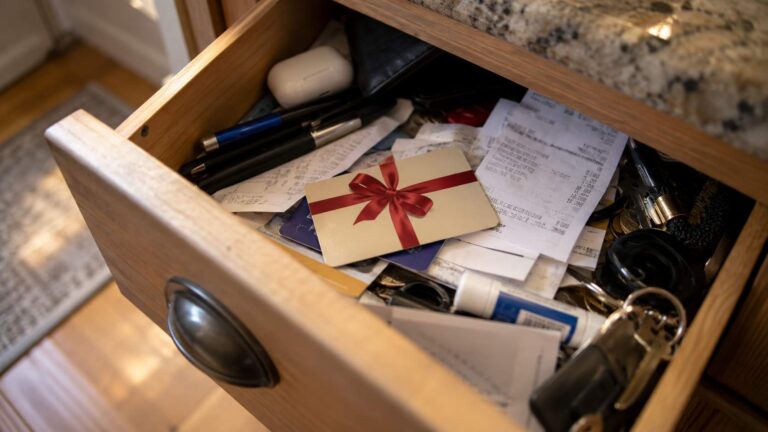
Gift cards received a much warmer response: 87% considered them acceptable.
That’s a 26-percentage-point gap, calculated from the survey results. It helps explain why regifting can still feel socially risky, even when most people say it’s fine.
The survey measured attitudes, not how frequently Americans actually pass gifts along. It also doesn’t establish that approval has increased over time.
We’d treat the results as permission to consider regifting, with some care about the individual recipient.
Three Checks Before You Wrap It Again
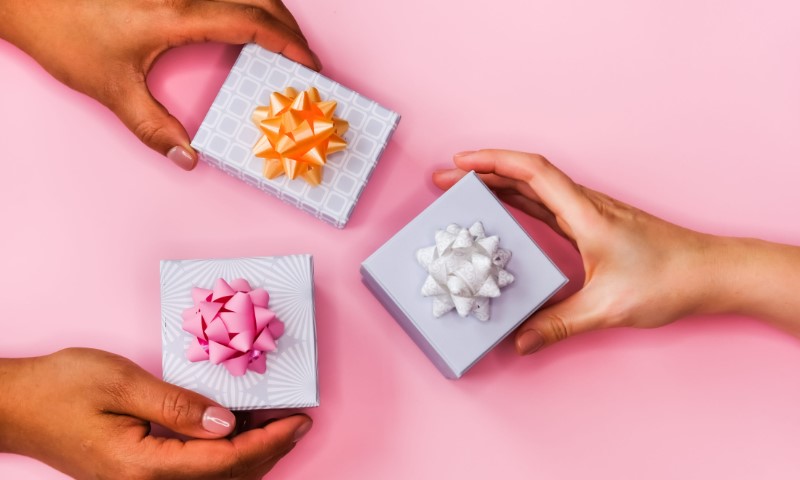
Lizzie Post, co-president of the Emily Post Institute, offers additional guidance in an AARP article on regifting.
Before giving someone a previously received present, check the following:
- Is everything still there? An unopened product should include its original accessories and instructions. Missing parts make an otherwise thoughtful gift look like a hand-me-down.
- Was it made specifically for you? Personalized jewelry or a handmade present deserves particular consideration because someone selected or created it with you in mind.
- Could the original giver find out? Giving a present to someone in the same friend group creates an obvious risk of hurt feelings.
There’s also one detail that deserves its own warning: check the packaging for an old greeting card.
A brand-new coffee maker won’t seem quite so thoughtful when the recipient discovers a note inside addressed to someone else.
Let’s Sum It Up
We’d happily pass along an unused book to a friend who would enjoy it. We’d be much more cautious with a handmade gift that someone spent hours creating specifically for us.
That distinction matters more than the price tag.
If you’re confident the new recipient will appreciate the present, regifting can be a considerate choice. And if you’re comfortable explaining where the gift came from, you’ve probably made a reasonable decision.
Just check the wrapping before you hand it over.
Nobody wants to open a Christmas present and find a card that says, “Dear Mark,” when their name is David.