Japan Doesn’t Expect Tips. Here’s Why Even Generous Tourists Can Get It Wrong
Japan’s tipping customs can surprise American visitors, especially those accustomed to adding a gratuity after every restaurant meal. In Tokyo, even an exceptionally courteous waiter generally expects a thank-you rather than extra cash. That difference is worth knowing before you travel.
In Japan, tips generally aren’t expected at restaurants or hotels, and taxi drivers don’t expect them either. According to the Japan National Tourism Organization, employees don’t expect additional money for standard service. A tip may be politely refused, although certain situations allow for a discreet monetary gift.
It’s fascinating how an ordinary habit can take on a completely different meaning once you cross a border. In America, we debate whether 15% or 20% is appropriate. In Japan, nobody expects you to calculate either percentage.
Why Don’t Japanese Workers Expect Tips?
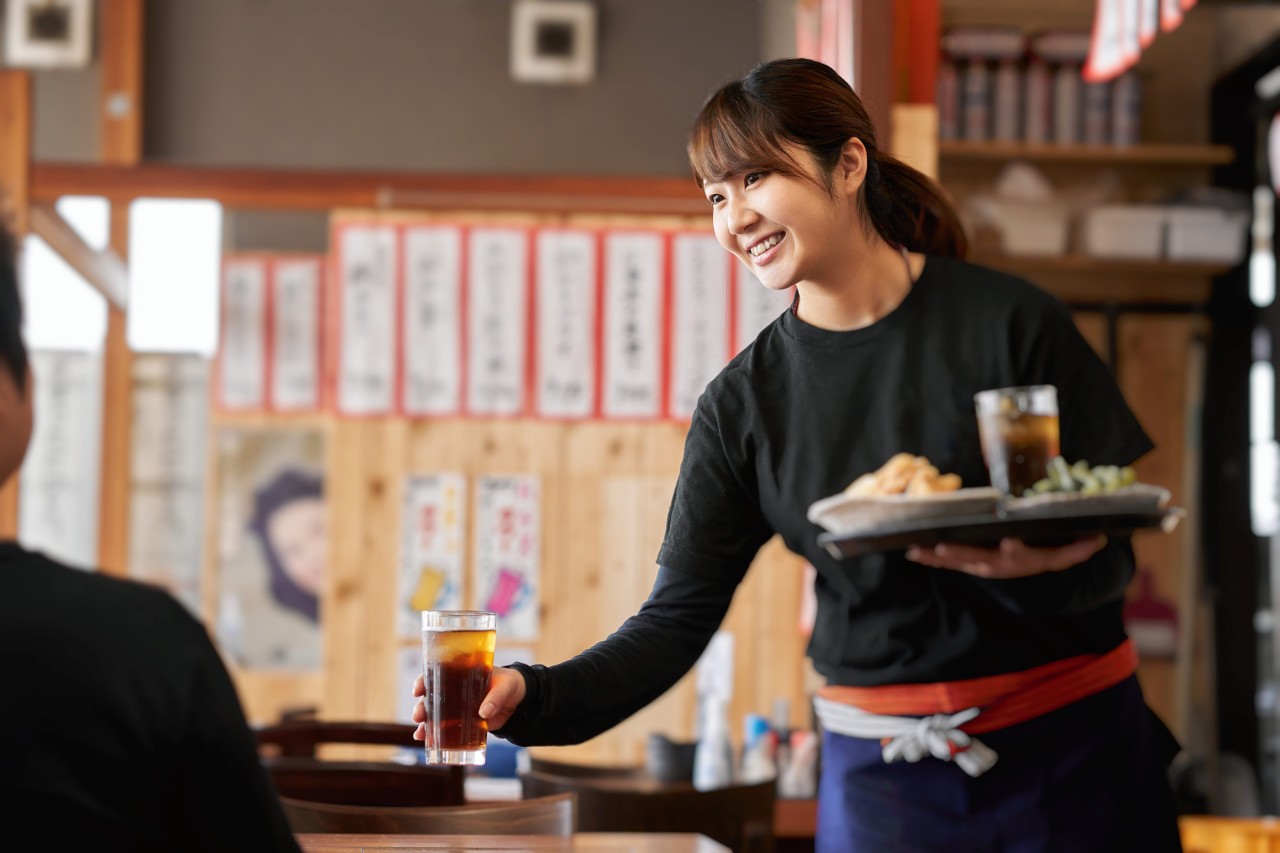
In Japanese restaurants, the service you receive is already part of the business arrangement. Waiters perform their jobs without an expectation that customers will reward their courtesy with additional money.
Japanese hospitality is often associated with omotenashi, a concept that emphasizes attentive care for guests. The country’s official tourism organization describes it as a tradition rooted in the Japanese tea ceremony, with considerable importance placed on the guest’s experience.
Consider a dinner in Tokyo that costs 10,000 yen.
At an American restaurant with table service or even a takeout, a 20% tip on an equivalent bill would add another 2,000 monetary units. In Japan, you ordinarily pay the amount on the bill without a voluntary gratuity.
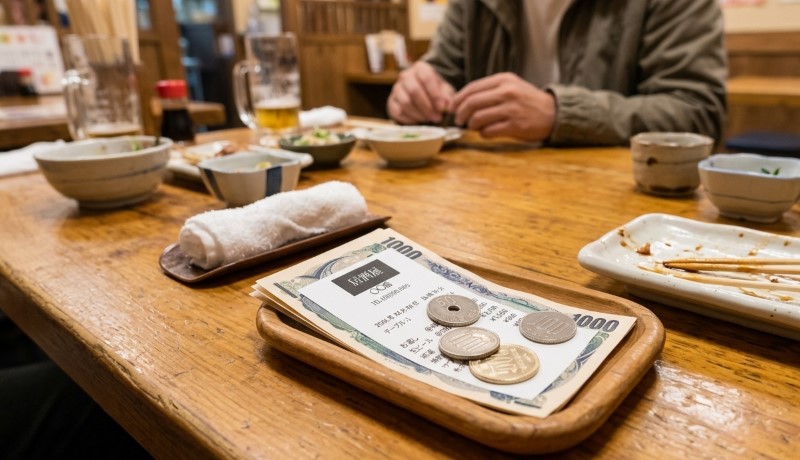
But what happens if you leave some extra cash on the table?
The employee might assume you accidentally left it behind. They may even return the money to you.
It’s better to avoid an awkward situation where a waiter has to explain why they can’t accept an attempted gratuity.
For tourists, a few basic rules are worth remembering:
- Restaurants and cafes: Pay the bill without an additional tip.
- Taxis: Pay the meter fare or the agreed price.
- Hotels: Standard services generally require no cash gratuity.
- Hair salons: Extra tips aren’t part of customary salon etiquette.
There’s one detail worth particular attention when reserving a hotel.
Your Hotel Bill May Already Include a Service Charge
Some luxury hotels in Japan add a separate service charge.
According to the official accommodation guide, certain upscale hotels charge an additional 10% to 15% for service.
Suppose a hotel quotes a room at 30,000 yen before taxes and service fees. With a 10% service charge, the additional cost is 3,000 yen, for a subtotal of 33,000 yen before applicable taxes.
The service charge is part of the hotel’s bill. It isn’t a voluntary tip handed directly to an employee.
Check the final reservation price carefully, especially at a luxury property. Japan also has a 10% consumption tax, and some destinations impose separate accommodation taxes.
A room that appears affordable at first glance may cost more once the applicable charges are included.
There Is an Exception Called Kokorozuke
View this post on Instagram
Japan has its own custom of offering money as a personal gesture of gratitude.
It’s called kokorozuke, which roughly translates to a gift from the heart. The practice sometimes appears at traditional Japanese inns, known as ryokan, or in situations that involve particularly attentive personal service.
At certain luxury ryokan, a guest may offer a small cash gift to the attendant responsible for their room. Such gestures are voluntary, and some establishments don’t accept them.
The money is traditionally presented discreetly in a small envelope. You can purchase suitable envelopes at stationery stores or many convenience stores in Japan.
Private tour guides provide another possible exception.
Guides who regularly work with international tourists may accept tips, particularly if they’re accustomed to customs from other countries. However, gratuities remain optional even in such circumstances.
Suppose you hire a private guide for an eight-hour tour of Kyoto. The guide adjusts the itinerary after heavy rain and helps your family navigate an unfamiliar transit system.
If you appreciate that additional effort, you could politely ask if a gratuity would be acceptable. If the guide declines, respect the answer.
The distinction between an expected payment and a voluntary expression of appreciation is particularly useful. It gives visitors a way to recognize exceptional service without assuming that every employee wants additional money.
How to Handle Tipping on a First Trip to Japan
First, stop calculating tip percentages. That may be the biggest adjustment for visitors accustomed to American etiquette.
If a waiter provides excellent service, thank them with arigato gozaimasu. The JNTO etiquette guide identifies the expression as a polite way to say thank you. A courteous nod is another appropriate gesture.
At a traditional ryokan, check the property’s customs before offering any additional money. For a private guide, clarify expectations in advance, particularly if the price of a full-day tour was already agreed upon.
And if a waiter returns money you accidentally left on the table? Thank them and accept it without insisting.
A tourist’s good intentions don’t automatically make an unfamiliar gesture appropriate. Respect for local customs is part of being a considerate guest.
One Last Thought Before Your Trip
Americans are accustomed to calculating gratuities after a meal. Japan has developed a different approach to service, so visitors can generally pay their bill and express appreciation with a polite thank-you.
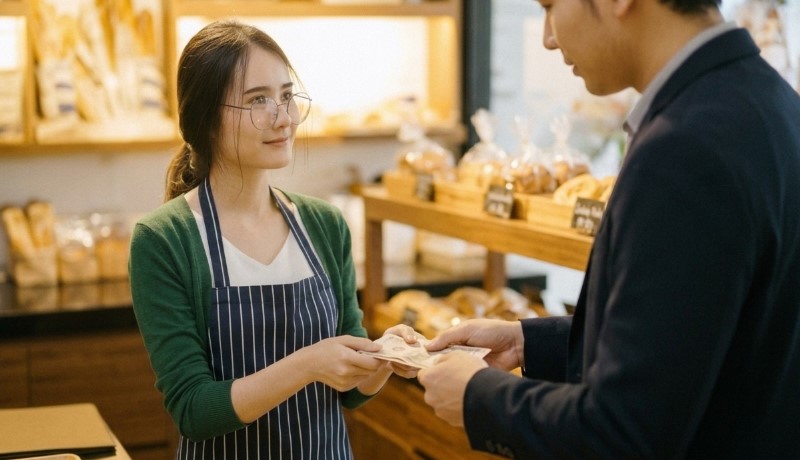
Exploring small restaurants and local shops is one of the pleasures of visiting Japan. Even if a salesperson is exceptionally helpful while you try on different watches, there’s no need to offer an extra 20%.
Just thank them, pay for the watch, and walk out of the store with a very good excuse to check the time.