Do You Tip on Takeout? Not by Default, but a Big Order Earns 10%
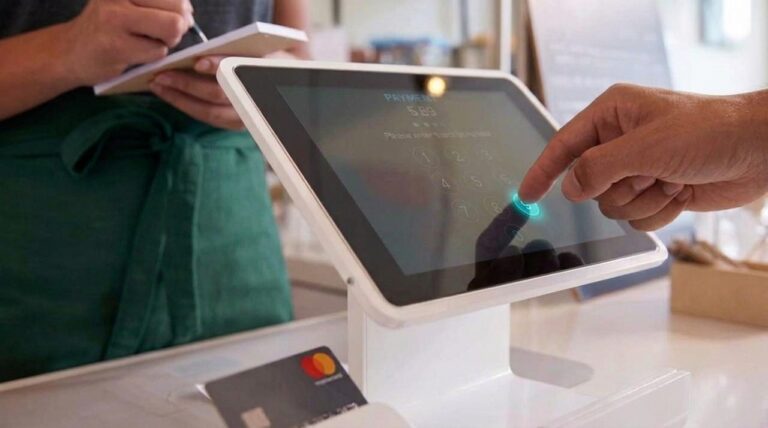
You order a $24 dinner online, drive to the restaurant, and pick up the bag at the counter. The entire exchange takes about thirty seconds. Then the payment screen presents three suggested tips, starting at 18%.
That moment can feel a little awkward. The employee has done the job, the food is ready, and the screen makes an ordinary purchase feel like a test of generosity.
You aren’t expected to tip on a standard takeout order. The Emily Post Institute recommends around 10% for large or complicated orders that require extra service. For a routine pickup, leaving a dollar or two is entirely your choice.
The distinction matters because collecting dinner at a counter involves a different level of service than having a waiter look after your table for an hour.
A Few Things Worth Knowing
- A routine takeout order carries no customary tipping obligation.
- Around 10% is a reasonable choice for large orders that require extra attention.
- A payment screen’s suggested percentage is a recommendation set through the restaurant’s payment system.
- Mandatory service charges are treated differently under federal labor law.
The Traditional Rule Is More Flexible Than You Might Expect
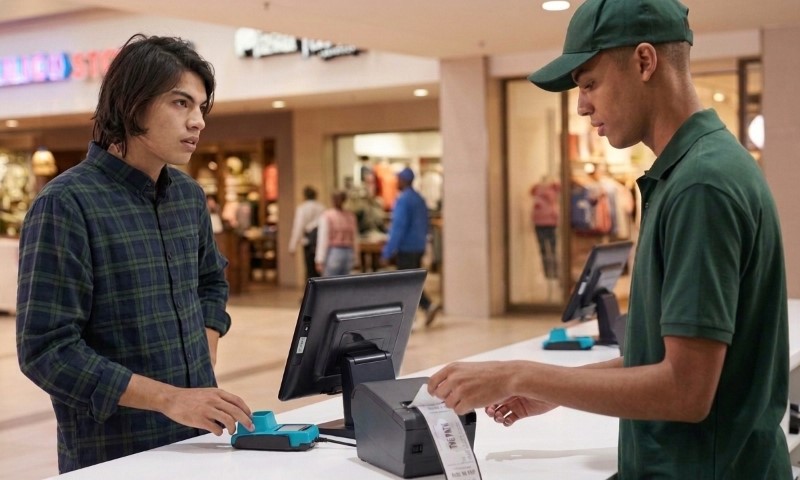
American restaurant tipping has long been associated with table service. A server takes your order, checks on the meal, and remains responsible for your table until you leave.
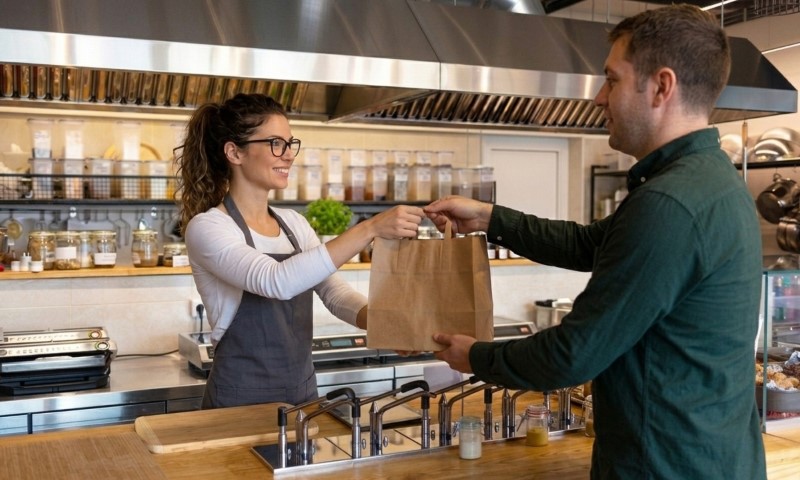
Takeout developed around a different arrangement. Customers place an order and collect the food themselves, usually with limited interaction at the counter.
The Emily Post Institute’s tipping guide reflects that distinction. Its recommendation for ordinary takeout is straightforward: “No obligation.”
The guide suggests a 10% tip for additional service, such as curbside delivery or a large order that requires more work.
There’s a good reason to preserve that flexibility. A customer who picks up one sandwich has received a different service than someone who orders lunch for an entire office.
How Electronic Payments Changed the Experience
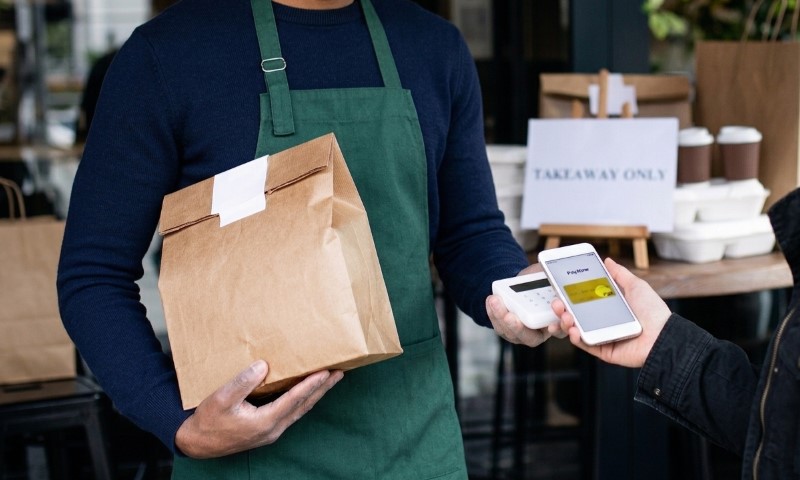
Printed receipts once gave customers a blank line where they could add a gratuity. Digital payment terminals now frequently present suggested percentages before the transaction is complete.
The change has caused considerable irritation.
In a 2023 Pew Research Center survey of 11,945 American adults, 40% opposed businesses suggesting tip amounts to customers. Another 24% supported the practice.
The survey also found that 72% opposed automatic service charges or tips added to customers’ bills.
The frustration is understandable. A suggested percentage appears on the same screen used to complete payment, giving it a degree of apparent authority.
You can select another amount or decline the gratuity when the charge is genuinely voluntary.
A Large Takeout Order Deserves a Different Approach
Consider a restaurant that receives a $240 order for an office lunch.
The customer requests twelve separate meals, each with different instructions. Employees must check the order against the receipt and make sure the correct food reaches the right person.
Packaging becomes particularly important when several dishes have similar appearances. A missing item can create a problem for the entire group.
For that level of service, a $24 tip seems reasonable. It represents 10% of the food subtotal. The amount recognizes the extra work involved in getting a substantial order ready for collection. The calculation is simple enough to apply elsewhere. A $150 order produces a $15 tip at 10%, while a $350 order produces $35.
Of course, a large bill doesn’t always mean a complicated pickup. One expensive prepared item may require less attention than twenty individually packed lunches. Use the actual service as your guide.
Restaurant owner Marina Charny explained in Real Simple’s takeout advice that employees often spend considerable time preparing orders for collection. Their responsibilities can include organizing the food and making sure the handoff goes smoothly.
The Latest Restaurant Data Adds Some Perspective
According to Toast’s restaurant transaction data, customers who left a digital tip on takeout orders averaged 13.8% during the second quarter of 2026.
The figure covers applicable transactions at restaurants that use Toast’s platform. Cash gratuities are excluded, as are orders without a tip when calculating the average percentage among people who tipped.
That qualification matters. An average tip among customers who chose to leave one tells us how much those customers gave. It cannot establish that everybody who collects takeout is expected to pay an additional 13.8%.
Toast’s data also comes directly through restaurant payment systems, which makes it useful evidence of actual card transaction behavior.
Who Actually Receives Your Takeout Tip?
View this post on Instagram
The money may go to employees beyond the person who hands you the bag.
Some restaurants distribute tips through a shared pool. The arrangement depends on how the business pays its workers and the employment laws that apply.
Under the U.S. Department of Labor’s rules, employers and supervisors generally cannot keep employees’ tips. Certain lawful tip pools may include kitchen employees when the employer pays workers the full applicable minimum wage without claiming a tip credit.
That provides a useful reason to ask about a restaurant’s policy, especially if you regularly place substantial orders.
There’s another detail worth checking before you approve the payment.
A Service Charge Is Legally Different
An automatic service charge can appear on a takeout bill, particularly for catering or substantial group orders.
Federal labor rules distinguish a compulsory service charge from a voluntary tip. The business may distribute service-charge revenue according to its compensation arrangements, subject to applicable law.
Suppose your $200 order already includes a mandatory 15% service charge. That adds $30 to the bill. For example, in Japan workers don’t want your tip.
Before leaving another $20 as a voluntary 10% tip, check what the existing charge covers. The restaurant may have a specific explanation for its fees.
What About the Employee Who Packed Your Dinner?
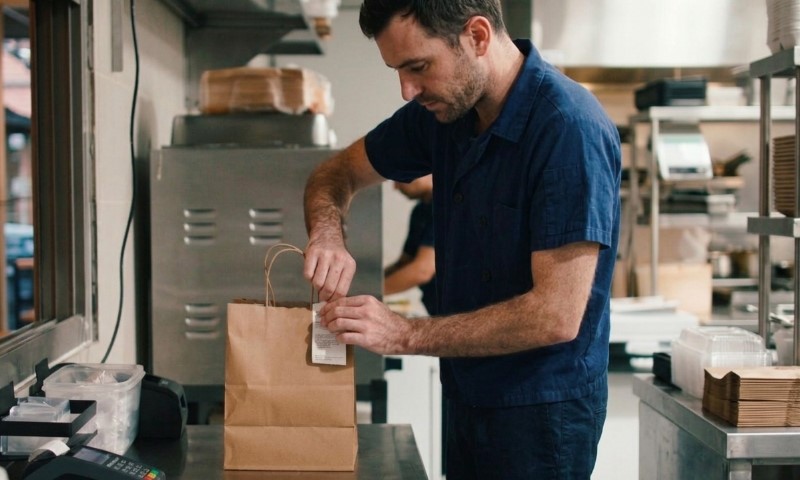
One detail sometimes disappears from the debate over takeout tips: employees can provide excellent service during a very brief interaction.
A worker might notice that a customer requested a special ingredient substitution and personally verify that the kitchen prepared it correctly. Another might help carry several heavy bags to a waiting vehicle.
Such assistance can deserve a few extra dollars.
In a Southern Living article, etiquette expert Diane Gottsman emphasizes the work restaurant staff perform before a pickup order reaches the customer. That work deserves recognition, although customers will naturally make different decisions according to their circumstances.
For smaller purchases, an amount such as $2 or $3 can be a reasonable gesture when an employee provides additional help.
Not every pickup requires calculating a precise percentage. Sometimes a small cash gratuity is a perfectly appropriate way to acknowledge the service.
For people who order frequently from the same neighborhood restaurant, occasional tips can also express appreciation for employees who regularly handle their food with care.
For the Final Receipt, Make Your Own Choice
Takeout tipping has attracted more attention as restaurants have adopted digital payment terminals. Customers now encounter suggested gratuities during transactions that previously involved little discussion about tipping.
The traditional etiquette remains flexible.
For an ordinary pickup, pay for your food and make your own decision about a gratuity. When the staff handles a substantial order that requires additional effort, consider 10% as a reasonable expression of appreciation.
That approach leaves room to recognize genuinely helpful service without turning every quick stop at a restaurant counter into another financial obligation.
A tip should reflect the service you received. The payment screen can offer a suggestion, and you can decide what feels appropriate.