
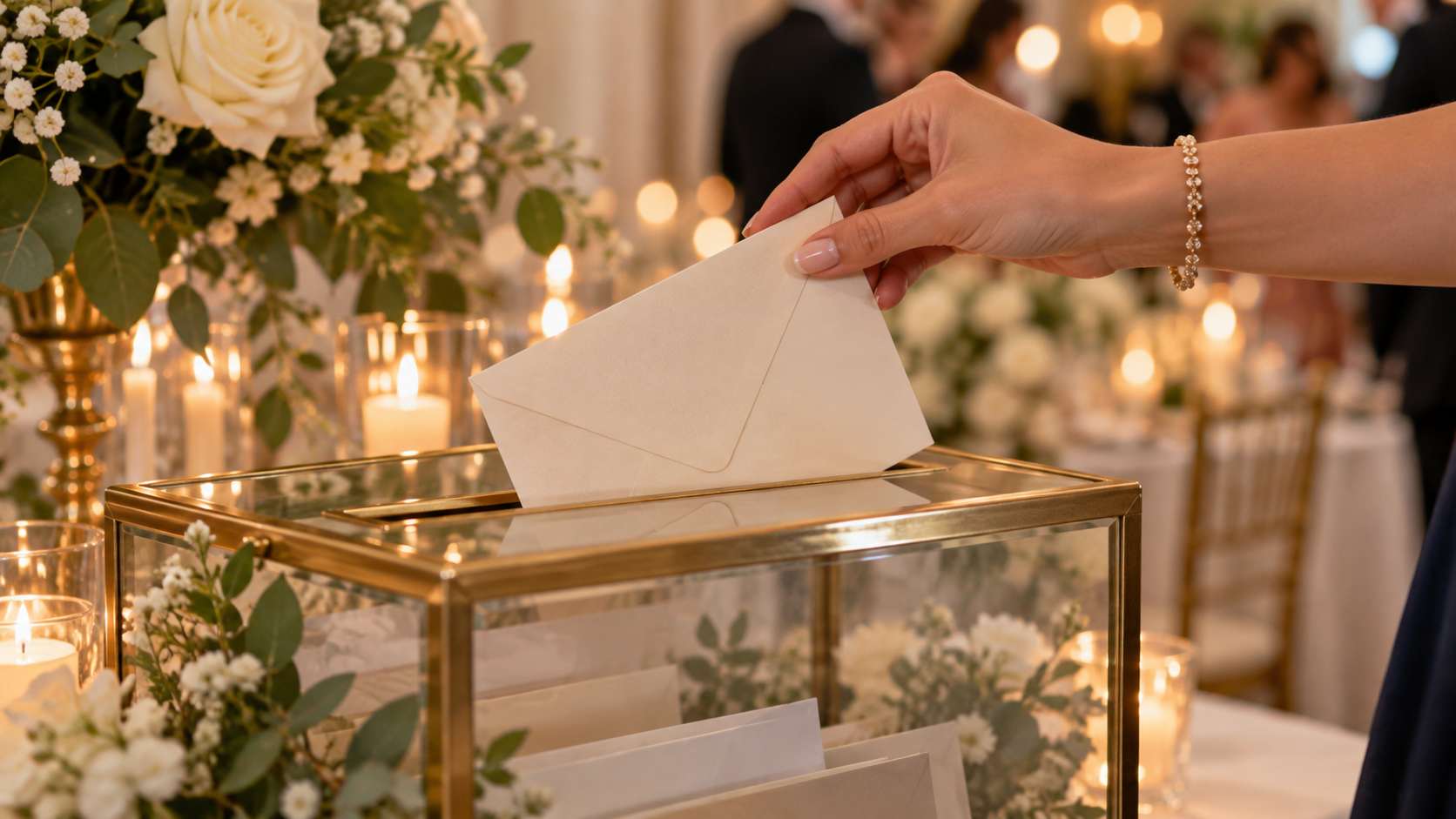
Your Wedding Gift Doesn’t Have to Cover the Cost of Your Dinner
Imagine an invitation to a wedding at a luxury hotel. The reception costs $300 per guest. You have already bought a $100 gift for the couple. Then someone mentions the old cover your plate rule. Suddenly, a perfectly reasonable gift seems inadequate.
Your wedding gift does not have to cover the cost of your dinner. The Emily Post Institute explicitly rejects that rule. The amount you give should reflect your personal budget and your relationship with the couple. The price of the reception creates no financial obligation for guests.
The expectation is rather strange. A couple might choose a luxury venue with an expensive menu. Their guests have little control over either decision. There’s no good reason why someone else’s event budget should determine the value of a personal gift.
Why the Old Cover Your Plate Rule Makes Little Sense

The cover your plate rule suggests that guests should give approximately as much money as the couple spends on each person at the reception. A $200-per-person reception would therefore call for a $200 gift. A guest with a partner would face a suggested contribution of $400.
The problem goes beyond the amount. Wedding costs cover far more than dinner. Couples pay for venue rental and photography. Entertainment and other services add further expenses. Some costs stay relatively fixed even as the guest count changes. Consequently, the average cost per guest is different from the actual cost of an individual meal.
The Emily Post Institute addresses the issue directly in its official wedding gift advice. It states that guests have no obligation to match the amount their hosts spend on them. That distinction matters. A wedding invitation offers someone the opportunity to share a personal occasion. It creates no agreement to reimburse the hosts.
The Average Wedding Costs $292 per Guest, but Gifts Are Much Smaller
The 2026 Real Weddings Study by The Knot Worldwide reported an average wedding cost of $34,000 in the United States in 2025. The average expense reached $292 per guest. The study collected responses from 10,474 American couples who married during 2025.
By comparison, The Knot’s 2024 Guest Study reported an average wedding gift of $150. The guest research included 1,000 U.S. adults ages 18 to 54 who had attended at least one wedding in person during 2024.
The two studies cover different populations and years. Their results offer context rather than a direct comparison of gifts and reception expenses at the same events.
How Much Should You Actually Spend on a Wedding Gift?

Consider a hypothetical guest who has set a $100 limit for a friend’s wedding gift, even though the reception is held at an expensive hotel. The guest finds an $85 set of wine glasses on the couple’s registry and adds a handwritten card. The gift comes from the couple’s own wish list and stays within the guest’s budget. Its usefulness matters more than the cost of the reception. A thoughtful gift has more to do with the recipient than with the wedding menu.
Jacqueline Whitmore, founder of the Protocol School of Palm Beach, addressed the question in a September 2026 Southern Living interview. Her position was clear: guests have no universal dollar amount to meet. Personal finances should take priority over expectations tied to the venue.
Start with the total amount available for the occasion, especially when travel is necessary. Suppose you can allocate $250 to a close friend’s wedding. Your transport costs $120. You also need $50 for accommodation. That leaves $80 for a gift.
An $80 gift fits your budget. The couple’s choice of venue has no effect on the amount available to you. The same principle applies to guests who pay for expensive flights. Members of the wedding party may also have substantial personal expenses.
Is a $50 Wedding Gift Appropriate?
Yes. A $50 wedding gift can be appropriate, particularly for a student or someone with limited disposable income. A guest with greater financial resources may prefer to give $200. Neither amount represents a universal standard.
Gift customs can also vary between families and cultural communities. Some families have established cash-gift traditions. Guests may choose to respect such customs as far as their finances permit.
For a modest budget, look at the couple’s registry first. A smaller item they selected may offer greater value to them than an expensive purchase chosen at random.
A Wedding Guest With a $450 Dinner Cost Changed Her Approach
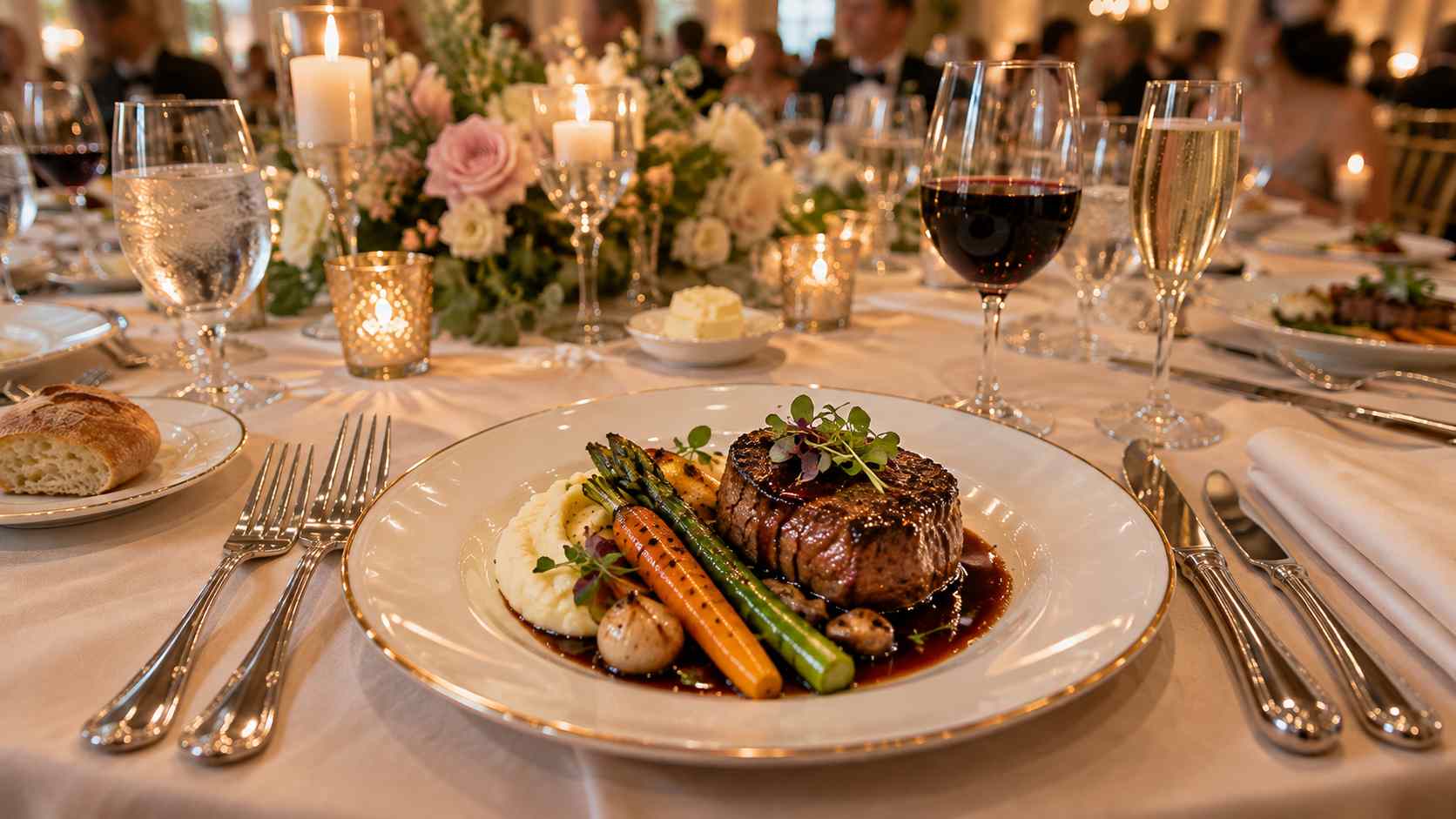
Writer Jen Glantz described a revealing experience in a November 2025 Business Insider article. Glantz had attended more than 100 weddings. She also had professional experience as a hired bridesmaid.
During her twenties, a close friend accidentally disclosed that her wedding cost $450 per guest. Glantz could barely cover her regular bills at the time. She also had six other weddings to attend that year. The disclosure made her question the financial logic of cover your plate.
She eventually adopted a different approach. For one wedding season with seven invitations, she set aside approximately $1,000 over several months. She then allocated that money across the events. Glantz also described a specific purchase that reduced her gift expense. She bought a coffee maker with a regular price of $350 for $175 after a sale.
Her account offers a useful example of a guest who replaced venue-based expectations with a personal annual budget. One detail deserves attention: the sale allowed her to give the couple an item they wanted at a lower cost to herself. The purchase price mattered to her finances. The item’s usefulness mattered to the recipients.
What If You Have Several Weddings in One Year?
An annual wedding budget can help you make decisions before the invitations create financial pressure. For example, suppose you can comfortably allocate $600 to wedding gifts over the next 12 months. You expect five invitations. An equal allocation would allow $120 per wedding.
You could also reserve a larger amount for a close relative and allocate smaller amounts to acquaintances. That approach establishes a financial limit before social expectations influence the decision.
A separate point is the deadline for sending a gift. The Emily Post Institute advises guests to send presents before the wedding or soon afterward, with three months as an outer limit. An annual budget can help you meet that expectation without a last-minute expense.
Cash, Registry Gifts and Plus-Ones Have Different Etiquette Rules
Cash is an accepted wedding gift in modern American etiquette. The Knot’s 2024 Guest Study found that 40% of respondents gave cash. Physical presents accounted for 50% of gifts. The other 10% chose gift cards.
Your choice can reflect the couple’s preferences. A couple with an established household may appreciate a contribution toward a future purchase. A couple with a registry may prefer a specific household item.
Its value should reflect their shared budget rather than a calculation based on two reception meals. The distinction is useful because some guests assume every additional seat automatically requires another full-price present.
Your Gift Should Reflect What You Can Afford
Decide on the gift amount before speculating about the venue’s cost. If the couple has a registry, choose something within that limit. For a cash gift, include a personal card with a specific message about the relationship.
There is one exception worth a separate look. Some events explicitly involve contributions or ticket purchases rather than a conventional wedding invitation. Any disclosed payment requirement deserves consideration before you accept. For an ordinary wedding, however, the hosts’ reception bill is their responsibility.
A $100 gift remains a $100 expression of goodwill, even at a $300-per-guest celebration. You should be able to congratulate the couple without a financial obligation based on a dinner price you never agreed to pay.